
- Home
- Male Enhancement Procedures
- Penis Enlargement Surgery Risks in Gangnam, Seoul
Penis Enlargement Surgery Risks in Gangnam, Seoul. Know them, reduce them.
Every surgery has risks. Understanding them helps you make a calm, informed decision and know when to contact the clinic.
- Honest risk information
- Planned graft volume
- Sterile technique
- 1-year follow-up for 5S
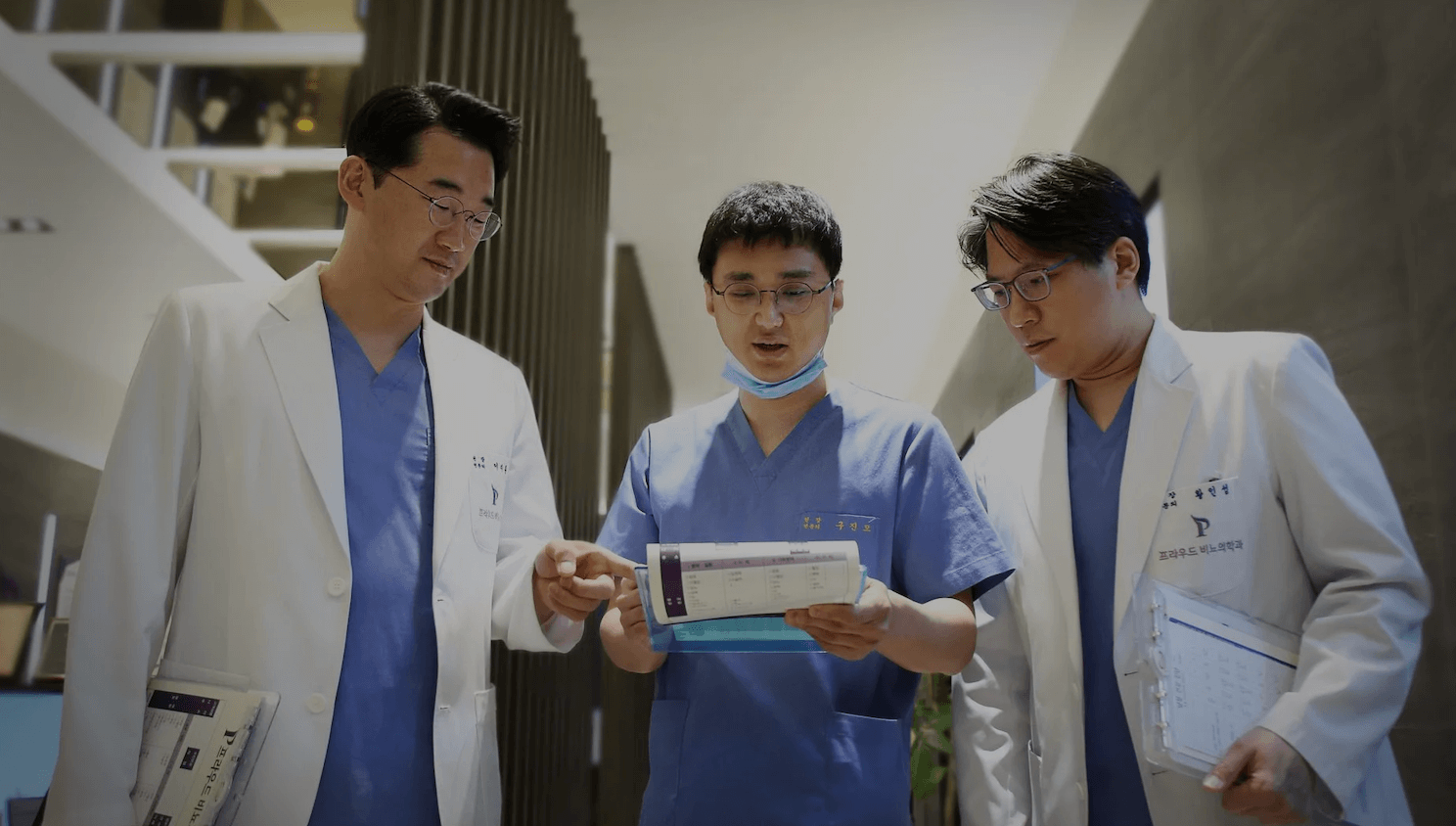
What are the risks of penis enlargement surgery?
Most patients have only expected, temporary effects. Less common problems are easier to manage when found early.
| Risk | What it means | How it is usually managed |
|---|---|---|
| Swelling and bruising | Expected in the first weeks after surgery. | Rest, dressing care and time; usually settles. |
| Infection | Redness, heat, increasing pain, discharge or fever. | Prompt check; treatment such as antibiotics as the urologist decides. |
| Asymmetry, ridges or lumps | Uneven areas as the graft settles. | Monitoring; may soften with time; revision assessed if it persists. |
| Fat absorption | Part of transferred fat is absorbed by the body. | Expected with fat transfer; a top-up may be needed. |
| Dissatisfaction or revision | The result may not match expectations. | Realistic planning; in-person exam before any revision. |
How does HIGHST Urology Clinic reduce risks?
Safety comes from planning, technique and follow-up together.
Planned graft volume
A pre-surgery penile skin scan helps plan graft volume so the result is even, aiming to avoid ridges or step-offs.
Processed dermis
Allograft dermis is donor tissue with cells removed, freeze-dried and E-beam sterilized. The clinic states its material is KFDA-approved.
PRF support
In 5S surgery, PRF DUO growth factors from your own blood are placed with the graft to support healing.
Sterile surgery
Procedures are performed by board-certified urologists using sterile technique, usually under local anesthesia through a small incision along the pubic line.
Structured checks
5S combined surgery includes 1 year of follow-up checks, including ultrasound, so problems can be found early.
Learn more → AccessEasy to reach
English coordinators on WhatsApp and KakaoTalk help you contact the clinic quickly, even after you return home.
Ask on WhatsApp →When should you contact the clinic after surgery?
Contact the clinic promptly if you notice any of these.
- Pain that keeps getting worse instead of better
- Spreading redness, warmth or heat around the wound
- Pus or unusual discharge from the incision
- Fever or feeling generally unwell
- Bleeding that does not stop with gentle pressure
- A wound that opens or stitches that come loose
- Difficulty urinating
Frequently asked questions
Is penis enlargement surgery safe?
No surgery is risk-free, but risks can be reduced with careful planning, sterile technique and good follow-up. At HIGHST Urology Clinic, board-certified urologists examine you first, plan graft volume from a skin scan, and follow 5S patients for 1 year. Your urologist explains the risks that apply to your own situation before you decide.
Can penis enlargement cause erectile dysfunction?
Girth enlargement places a graft under the skin, outside the erectile tissue, so it is not designed to affect erections. Premature-ejaculation surgery targets the dorsal nerve, which carries sensation rather than controlling erection, so erectile dysfunction is very unlikely. Any concern about your erections should be discussed with your urologist before surgery.
What happens if the result is uneven?
Some unevenness can appear while the graft settles and may improve as engraftment continues over about 3 to 6 months. If an uneven area persists, the urologist examines you in person and explains options, which may include further dermis or fat grafting. Revision is planned case by case.
Can the body reject an allograft dermis graft?
Allograft dermis is processed donor tissue with the cells removed, then freeze-dried and sterilized, which is intended to lower the chance of a reaction. Problems such as infection or poor engraftment can still occur. Tell the clinic about any increasing pain, redness or discharge so it can be checked early.
Is fat transfer riskier than dermis?
They have different trade-offs rather than one being simply riskier. Fat transfer uses your own tissue, but part of it is absorbed, so the result can change and a top-up may be needed. Dermis usually holds volume better but can feel firm while it engrafts. Your urologist explains which suits your anatomy.
Who is not a good candidate for enlargement surgery?
Surgery may not be advisable if you have an active infection, poorly controlled health conditions, or expectations that surgery cannot meet. Some men worried about size have normal anatomy and benefit more from counseling or non-surgical options. The urologist discusses this honestly at consultation.
HIGHST Urology Clinic Gangnam
Address
14–15F, 655 Seolleung-ro, Gangnam-gu, Seoul, South Korea
Gangnam-gu Office Station, Exit 2
Opening hours (KST)
Mon–Fri 09:30–18:30
Sat 09:30–15:30
Sun & public holidays closed
Contact
WhatsApp (English): +82 10-3487-1618
Clinic: +82 2-514-1415
Talk to a urologist, privately
Message us in English — a coordinator replies and a urologist reviews your question.
Medical information on this page is general and does not replace a consultation. Timing, results and suitability vary by individual.