
- Home
- Health Guides
- Vasectomy in Gangnam, Seoul: A Guide for International Patients
Vasectomy in Gangnam, Seoul: A Guide for International Patients. Permanent male contraception.
A vasectomy is a short procedure that blocks the tubes carrying sperm. It is meant to be permanent, so here is what to understand before you book in Seoul.
- About 10–20 minutes
- Local anesthesia
- No stitch removal
- One clinic visit
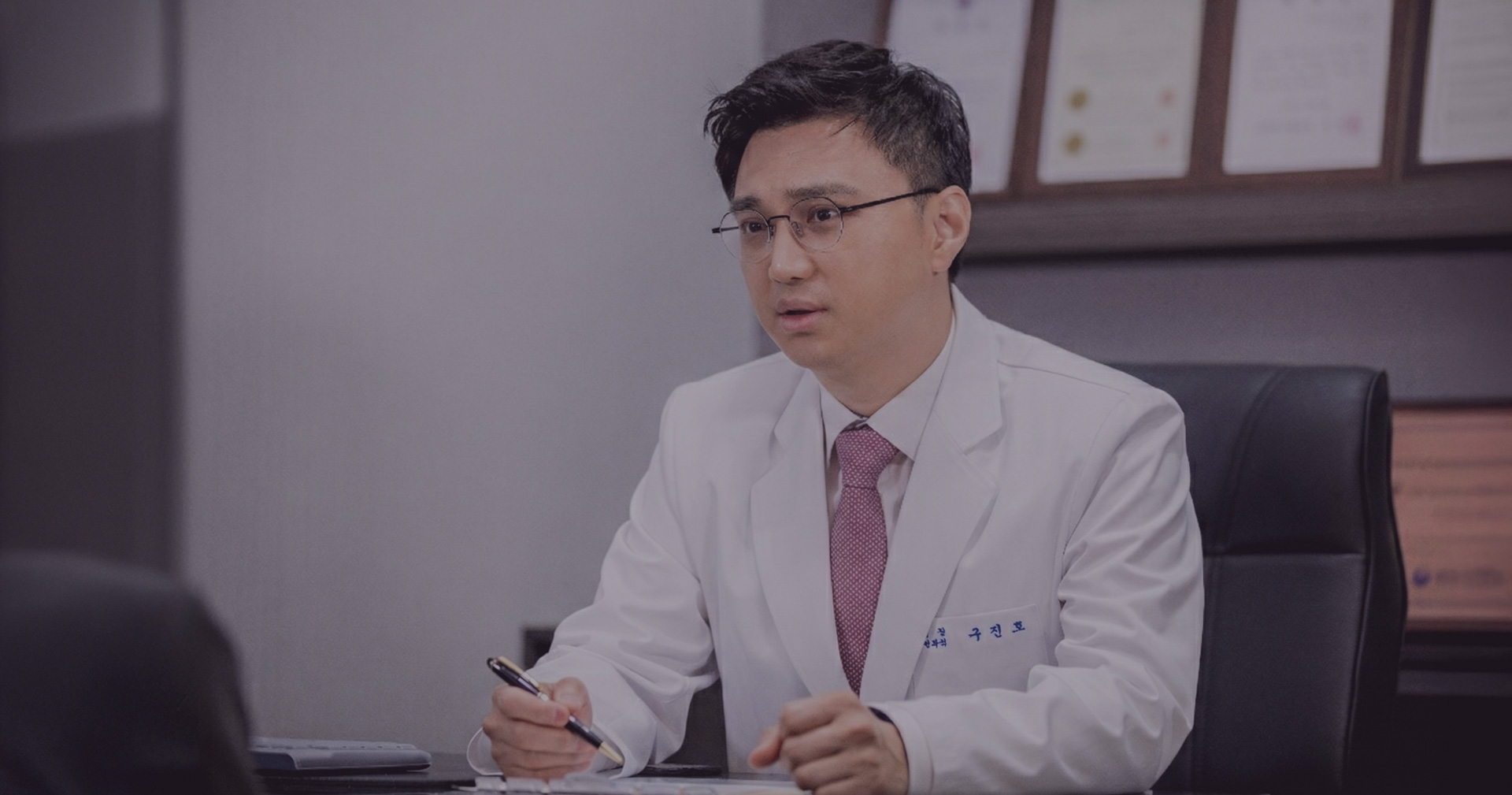
What happens during an M-laser vasectomy?
-
Consultation
A urologist confirms that you want permanent contraception, checks your health and explains the procedure, the follow-up semen test and the limits of reversal, in English.
-
Local anesthesia
The scrotal area is numbed with local anesthesia. You stay awake and general anesthesia is not needed.
-
Tie and cut
Through a small opening in the scrotal skin, each vas deferens (the tube that carries sperm) is gently grasped, tied and cut. The procedure takes about 10–20 minutes.
-
Home the same day
No stitches need to be removed, so one clinic visit is usually enough. Most men return to daily life right away. Your urologist gives aftercare instructions before you leave.
What does a vasectomy change, and what does it not change?
Many men worry about side effects that a vasectomy does not cause.
What changes
Sperm can no longer travel from the testicles into the semen.
- Pregnancy becomes very unlikely once the semen test is clear
- The clinic states a failure (pregnancy) probability of about 0.02–0.2%
- It should be treated as permanent
What stays the same
A vasectomy does not affect the testicles' hormone function or sexual function.
- Erections and orgasm are not affected
- Semen volume does not noticeably decrease
- It does not protect against STDs, so condoms are still needed for that
Are you ready for a vasectomy? A checklist
Because reversal is uncertain, think through these points first.
- You are sure you do not want (more) biological children
- You have discussed the decision with your partner, if you have one
- You understand reversal (vasovasostomy) exists but pregnancy afterwards is not guaranteed
- You can use other contraception until your semen test is clear
- You know where to do the follow-up semen test, in Seoul or at home
- You will still use condoms for STD protection with new partners
- You have told the urologist about medicines, especially blood thinners
Frequently asked questions
Can a foreigner get a vasectomy in Korea?
Yes. HIGHST Urology Clinic in Gangnam, Seoul treats foreign patients without Korean national insurance or a Korean ID. You consult with a urologist in English, and English coordinators on WhatsApp or KakaoTalk help you book. Payment is made directly by card or cash, and the cost is given as an itemized quote after consultation.
Am I sterile immediately after a vasectomy?
No. Sperm can remain in the tubes beyond the cut for some time after the procedure. You need to keep using another form of contraception until a follow-up semen test confirms there are no sperm. Your urologist tells you when to do this test, and it can often be arranged where you live if you are leaving Korea.
Does a vasectomy hurt?
The area is numbed with local anesthesia, so most men feel pressure or tugging rather than sharp pain during the 10–20 minute procedure. Some mild soreness or swelling afterwards is common and usually settles. Your urologist explains how to manage discomfort and which warning signs, such as increasing swelling or fever, mean you should contact the clinic.
Will a vasectomy affect my sex life or testosterone?
According to the clinic, a vasectomy does not affect testicular or sexual function. Hormones are still made in the testicles and released into the blood as before. Erections and orgasm are not changed, and semen volume does not noticeably decrease because most of the fluid comes from other glands, not the testicles.
Can a vasectomy be reversed later?
A reversal operation called vasovasostomy reconnects the tubes, but pregnancy afterwards is not guaranteed. The clinic states that success is under 50% overall and better if reversal is done within about 4–5 years. Because of this uncertainty, you should only have a vasectomy if you are confident you do not want future biological children.
Can I fly home the day after a vasectomy?
Many men return to daily activities right away and no stitches need removing, so one clinic visit is usually enough. Flying soon after is often possible, but ask your urologist first, especially for a long flight. Plan how you will complete the follow-up semen test, and avoid heavy lifting or strenuous exercise for as long as advised.
HIGHST Urology Clinic Gangnam
Address
14–15F, 655 Seolleung-ro, Gangnam-gu, Seoul, South Korea
Gangnam-gu Office Station, Exit 2
Opening hours (KST)
Mon–Fri 09:30–18:30
Sat 09:30–15:30
Sun & public holidays closed
Contact
WhatsApp (English): +82 10-3487-1618
Clinic: +82 2-514-1415
Talk to a urologist, privately
Message us in English — a coordinator replies and a urologist reviews your question.
Medical information on this page is general and does not replace a consultation. Timing, results and suitability vary by individual.